Benchmark results comparing the two batch processor coordinators
| Parent ↗ |
Summary
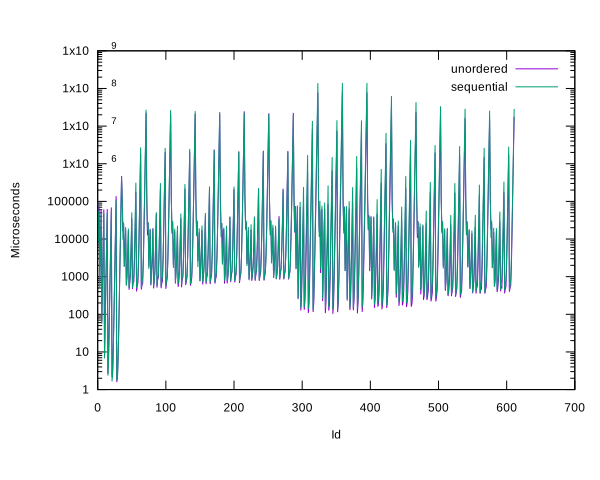
In the log plot both modes look very nearly identical, with the 17 different thread configurations easy separable
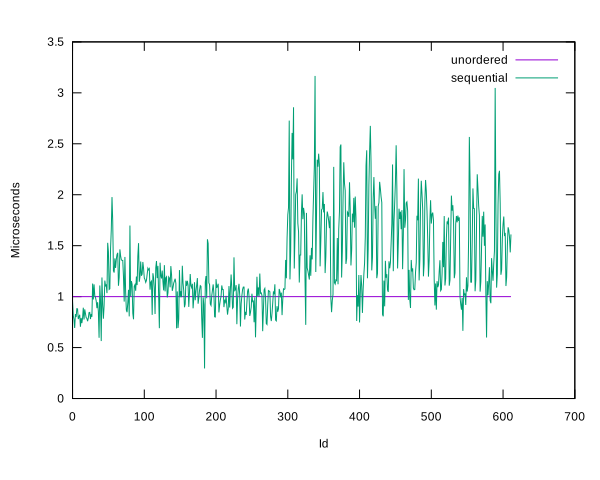
The differences become eminent when treating unordered as baseline, and plotting sequential relative to that.
Sequential is generally about 1.5 times slower than unordered, with spikes to 3 times slower. This is for thread counts >= cpu count.
With less threads used than available cpus the difference is much less, roughly on par, in part even better.
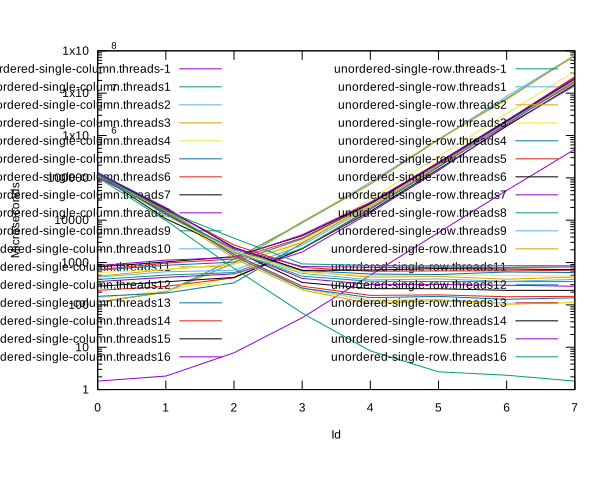
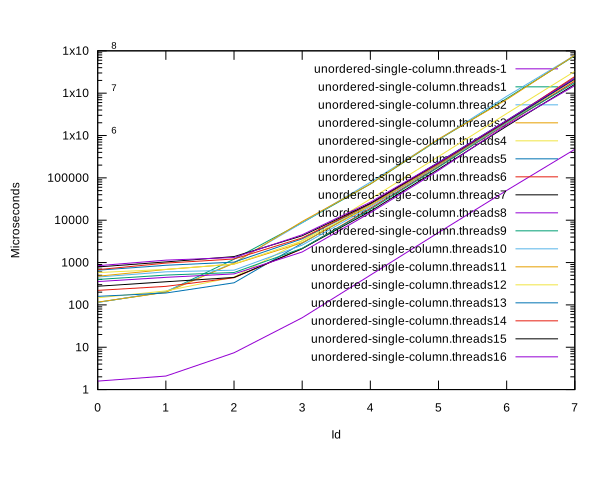
Looking only at unordered mode, and at the extreme case of narrow tall images (single column of varying heights) using more threads does not help at all. Time depends strongly on height, except for heights < 1000, where thread count becomes more important, with more threads yieding higher performance, by a factor of 10.
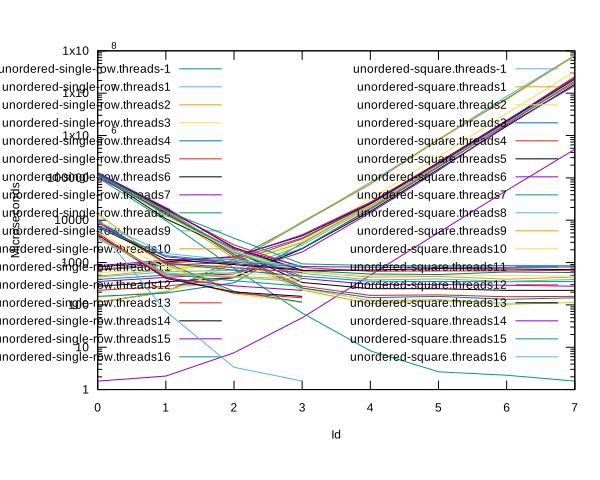
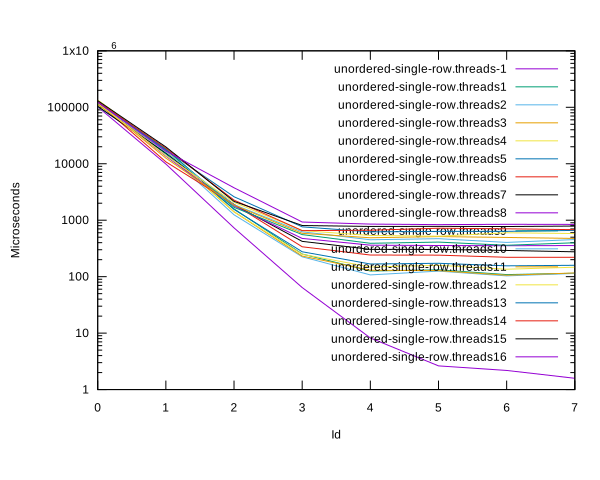
Conversely, for wide shallow images (single row of varying widths) width matters less than thread count for widths > 1000. After that point more threads provide higher performance, even for thread counts > available cpus. Again roughly a factor of 10.
It is suspected that the memory system is better able to handle the longer contiguous blocks of values.
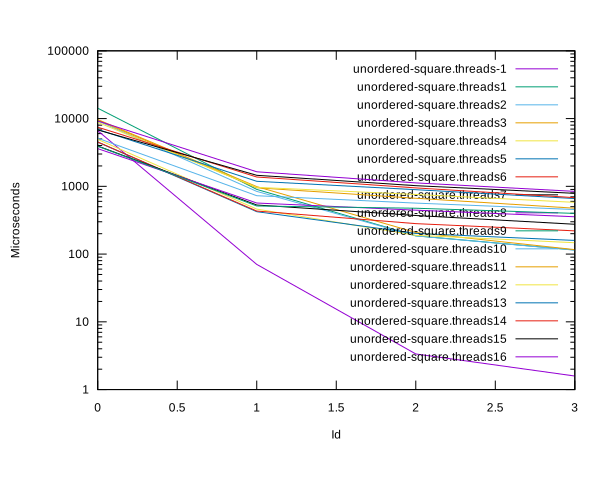
For square images the plot looks roughly similar to the wide shallow case, likely again because of the larger contiguous blocks of values in memory.
Plots
Sequential / unordered
Tall / Wide / Square images, varying sizes (x powers of 10)
Combos